
Steve Miller
My goal is to provide a fantastic product for people who are looking to downsize their lives, add creatively to existing households, or just need an affordable living option. Clever design can make small spaces outperform traditional dwellings with a fraction of the materials and energy.
The average house size has ballooned over the last 30 years, which means more materials being used, more fossil fuels being consumed to heat, cool, and light, as well as more junk for us to gather and clutter our lives. All this stuff is costly, so we wind up working more and having less time for what we enjoy, not to mention the unfair amount of the globe's resources that we use in the U.S.
The connection between residents and the surrounding community is something that I think about a lot, so that emphasis also figures strongly into my designs.
I enjoy studying the aspects of my favorite urban places, whether it's a quaint village or a city the size of Paris, to find universal characteristics that make people fall in love with them, then figure out if those traits could be applied to more spaces in our cities. Unfortunately for the last 50 years we've been designing not for the delight of the people, but to accommodate the automobile. We can reduce the amount of time and energy that we use by bringing the things that we need closer to where we live. The Urban Transect diagram below (Duany Plater-Zyberk & Company) shows how compact urban places can provide for the full spectrum of living preferences, yet keep amenities close to home. Basically: make our urban space compact so that we can maximize pristine wilderness.
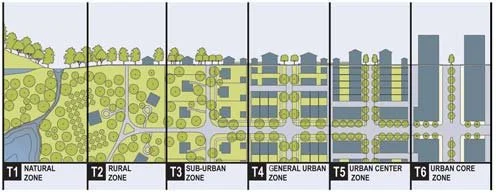
Urban Transect
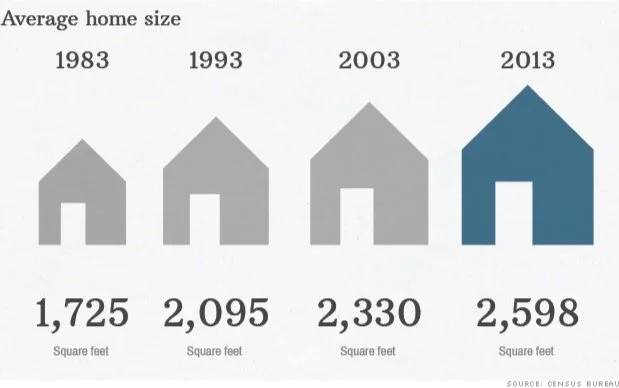
Graphic: CNN Money

Steve received his Masters in Architecture at the University of New Mexico in 2003. He also has a background in the arts having received his Bachelors in the Fine Arts at Eastern Mennonite University (Harrisonburg, VA).
Steve’s an avid bicyclist, both road and mountain, and loves getting out in the saddle whenever possible, as well as getting out to hike and camp.